
Assalamu alaikum, dear brothers and sisters! If you’re reading this, you’re probably wondering whether Tokyo is truly welcoming for Muslim travelers. Let me share some good news with you: Alhamdulillah, Tokyo has been transforming into one of Asia’s Muslim-friendly destinations, and I’m excited to guide you through everything you need to know for a spiritually fulfilling and comfortable journey in this Tokyo Muslim Guide Article.
Having traveled to Tokyo multiple times and connected with our local Muslim community there, compared to 20 or even 10 years ago, I can honestly say that the city has made strides in accommodating our needs. From finding halal food to performing our five daily prayers.
- What Makes Tokyo a Muslim-Friendly Destination?
- Top 10 Halal Restaurants Recommendation by Tokyo Muslim Guide
- Where Can You Find Mosques in Tokyo?
- What Are the Best Muslim-Friendly Hotels in Tokyo?
- How to Manage Prayer Times While in Tokyo?
- Which Tokyo Attractions Are Most Suitable for Muslim Travelers?
- Best 7 Halal Food Markets and Grocery Stores in Tokyo
- How to Identify Halal Food Certification in Tokyo?
- Transportation Options in Tokyo when considering Prayer time.
- What Are the Best Times to Visit Tokyo for Muslims?
- How Much Does a Muslim-Friendly Tokyo Trip Cost?
- What Should Muslim Travelers Pack for Tokyo?
What Makes Tokyo a Muslim-Friendly Destination?
Alhamdulillah, Tokyo now boasts many halal-certified restaurants and establishments. This isn’t just about Middle Eastern cuisine either – you can enjoy authentic Japanese dishes, from ramen to yakiniku, prepared according to Islamic dietary laws. Major restaurant chains like CoCo Ichibanya have obtained halal certification before, making it easier than ever to experience Japanese food culture without compromising our faith.
Recently, Japanese businesses have taken the time to understand not just the technical requirements of halal, but the spiritual importance behind it. Many restaurant owners have traveled to Muslim-majority countries to learn proper halal preparation methods!
Prayer Facilities Across the City
One of the biggest concerns we face when traveling is maintaining our salah schedule. I remember people were always worried about finding clean, appropriate places to pray. These days, Major shopping centers like Tokyo Midtown, Shibuya Parco, and even some stores now have dedicated prayer rooms with wudu facilities.
The prayer rooms are usually clearly marked with signs in English and Arabic, complete with prayer mats and qibla direction indicators. Some even provide Qurans and prayer timetables.
We offer Tours for Muslims in Japan. Explore Japan with us. Book Your Bespoke Tour
Muslim Community in Tokyo
Perhaps what brings me the most comfort is knowing there’s a vibrant Muslim community in Tokyo. With approximately 200,000 Muslims living in the greater Tokyo area, you’ll find brothers and sisters from Indonesia, Malaysia, Pakistan, Bangladesh, Turkey, and Arab countries who call this city home.
The community is incredibly welcoming to Muslim travelers. On Fridays, you’ll see the mosques filled with worshippers from all over the world, and there’s a beautiful sense of ummah that transcends language barriers. Don’t hesitate to connect with local Muslims – they’re often eager to help around the city and might even invite you for iftar during Ramadan!
Top 10 Halal Restaurants Recommendation by Tokyo Muslim Guide
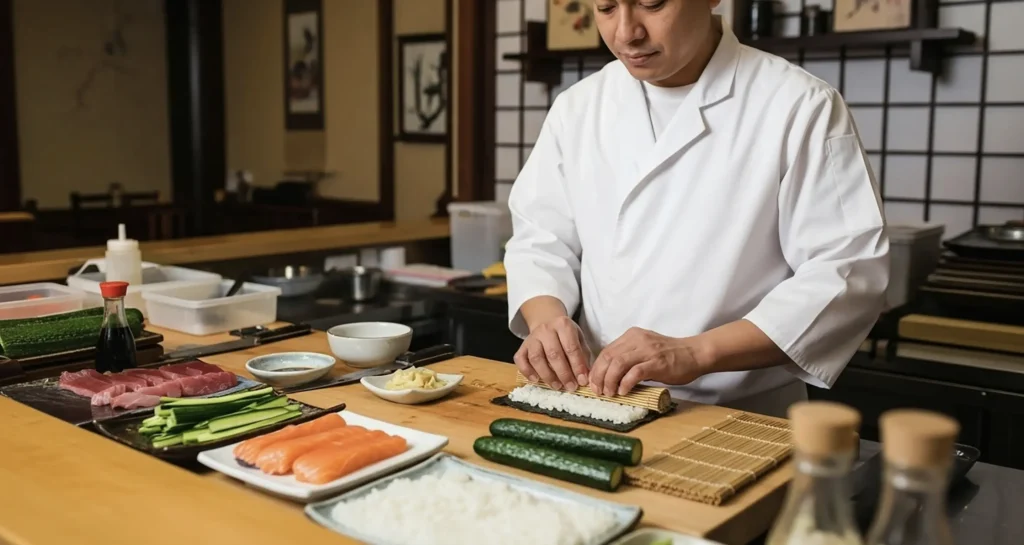
Let me share some of our favorite halal dining spots in Tokyo. These are places where we’ve eaten and felt completely confident about the halal status.
Authentic Middle Eastern Cuisine
1. Tokyo Camii Halal Market & Restaurant – Located right next to the mosque, this is more than just a restaurant – it’s a taste of home. They ensure everything is 100% halal, and the atmosphere feels like visiting a Muslim friend’s home. Try their lahmacun and baklava, absolutely delicious!
2. Jannat Halal Food – Run by our Pakistani brothers, located in Shin-Okubo, serves incredible biryani and nihari. The portions are good, the prices are reasonable, and you’ll often find other Muslim travelers and locals dining together.
3. Alibaba Kebab – Multiple locations across Tokyo, and I’ve never had a bad meal here. Their shawarma is authentic, and they’re open late, which is perfect when you need a halal meal after exploring the city.
Japanese Halal Dining Experiences
4. Gyumon Shibuya – This was a game-changer for me! Halal yakiniku (Japanese BBQ) where you can grill premium wagyu beef right at your table. The meat is certified halal, and the experience of Japanese BBQ culture is something you shouldn’t miss. Book ahead as it’s very popular with Muslim travelers.
5. Ayam-Ya – chicken ramen might sound unusual, but trust me on this one. The chicken-based broth is rich and flavorful, and knowing it’s completely halal allows you to enjoy it fully without any doubts.
6. Sushi Ken – Located in the Tsukiji area, they use halal ingredients and even have alcohol-free soy sauce. The chef understands Islamic requirements and is very accommodating.
Halal Wagyu and Premium Options
7. Panga – If you want to splurge on premium halal wagyu, this is your spot. The marbled beef literally melts in your mouth. It’s pricey, but for a special occasion, it’s worth experiencing the famous Japanese beef quality in a halal setting.
8. Sekai no Yama-chan – Halal-certified Japanese chicken wings with various flavors. It’s casual, affordable, and the perfect place to experience Japanese izakaya culture in a halal way.
Budget-Friendly Halal Eats
9. CoCo Ichibanya – This chain serves Japanese curry rice at very reasonable prices. A full meal costs around ¥800-1,000, and it’s genuinely delicious comfort food. Please eat the vegetarian option as the Halal-certified restaurant has closed permanently.
10. Naritaya Halal Ramen – Another affordable option near Akihabara. Their halal ramen is certified, and you can enjoy this iconic Japanese dish worry-free for around ¥1,000.
Where Can You Find Mosques in Tokyo?
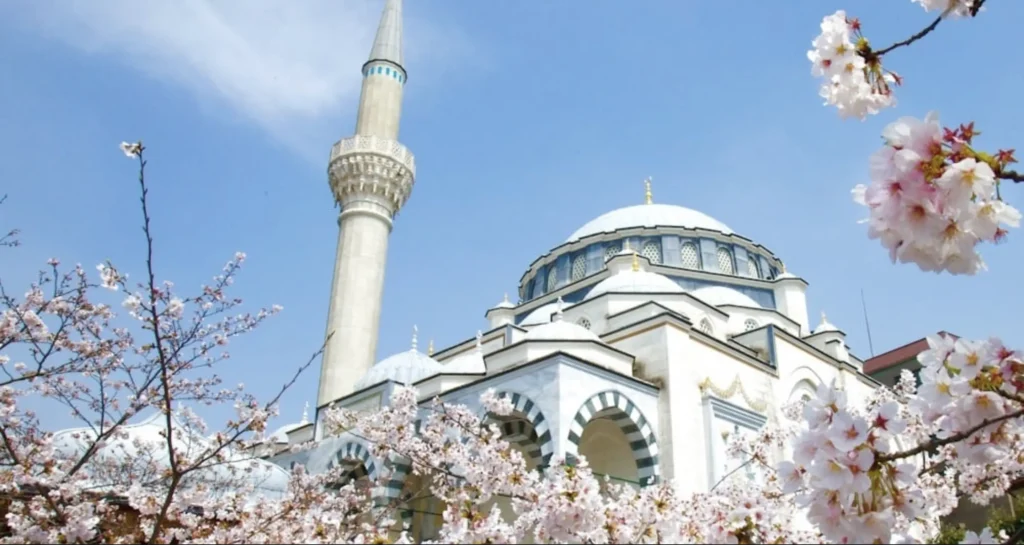
Maintaining our five daily prayers is non-negotiable, and alhamdulillah, Tokyo has options with several mosques and prayer facilities throughout the city.
Tokyo Camii: The Largest Mosque
Tokyo Camii is absolutely stunning! Built in Ottoman architectural style with a beautiful blue-tiled dome, it’s the largest mosque in Japan and can accommodate 1,200 worshippers. Located in Yoyogi-Uehara (accessible via Chiyoda Line), it has become a spiritual home for Muslims in Tokyo. What I love most about Tokyo Camii is the warm welcome you receive. The Turkish management and volunteers are incredibly hospitable, sometimes offering tea and conversation after prayers. The mosque has separate prayer areas for brothers and sisters, complete wudu facilities, and a library with Islamic books in multiple languages. Friday prayers (Jummah) are well-attended, and I recommend arriving 30-45 minutes early to find a good spot in front.
Want to come to Japan but worried about Salah? We offer Tours for Muslims in Japan. Explore Japan with us. Book Your Bespoke Tour
Otsuka Mosque
Established in 1988, Otsuka Mosque holds a special place as one of Tokyo’s earliest prayer facilities. While smaller than Tokyo Camii, it has a strong community feel. Located near Otsuka Station, it’s particularly convenient if you’re staying in northern Tokyo. The Indonesian community is very active here, and you’ll often find Southeast Asian cuisine at community gatherings.
Other Prayer Facilities
Masjid Darul Arqam in Asakusa is perfectly located if you’re visiting the famous Senso-ji Temple area. It’s small but functional, and the brothers running it are very helpful with directions and local advice.
Masjid Assalam in Okachimachi (near Ueno) serves the large Bengali and Pakistani community. If you visit on Friday, you might be invited to share a meal after Jummah – the community here is extremely welcoming, mashaAllah.
Hiroo Mosque near Roppongi caters to a diverse international community and often has lectures in English. It’s smaller but very conveniently located if you’re exploring central Tokyo.
Prayer Rooms in Major Shopping Areas
Beyond mosques, many commercial areas now have dedicated prayer rooms:
- Tokyo Midtown (Roppongi) – 3rd floor, well-maintained with wudu facilities
- Shibuya Parco – Prayer room on one of the upper floors
- Narita and Haneda Airports – Both have prayer rooms in multiple terminals
- Tokyo Skytree – Prayer facilities available for visitors
Always check closing times, as some prayer rooms in shopping centers close with the mall. I recommend using apps like “Mosque Finder” or “Qibla Compass” to locate these facilities easily.
What Are the Best Muslim-Friendly Hotels in Tokyo?
Choosing accommodation that respects our Islamic needs can greatly enhance the travel experience. Here are hotels recommended by fellow Muslim travelers:
Hotels Near Mosques
Sakura Hotel Hatagaya is a top recommendation for Muslim travelers. It’s walking distance from Tokyo Camii, has prayer mats and qibla direction marked in rooms, and serves halal breakfast options. The staff understands Muslim requirements, and you’ll often meet other Muslim guests. Prices are mid-range, and the location gives you a local neighborhood experience while being well-connected to central Tokyo.
Hotels near Otsuka – Several business hotels around Otsuka Station put you close to the mosque and halal restaurants in the area. While they may not have specific Islamic amenities, the proximity to prayer facilities makes them practical choices.
Hotels with Prayer Facilities
Hotel Chinzanso Tokyo is luxurious but worth mentioning for special occasions. They provide prayer mats, and can arrange halal kaiseki (traditional Japanese multi-course meals). The hotel sits in a beautiful Japanese garden, and experiencing high-end Japanese hospitality while maintaining your Islamic practices is truly special.
Imperial Hotel Tokyo and Sheraton Miyako Hotel Tokyo both offer prayer mats upon request and have staff trained in Muslim guest requirements. They can also direct you to nearby halal restaurants.
Hotels with Halal Breakfast Options
Agora Place Asakusa is excellently located for sightseeing and offers halal breakfast options if requested in advance. The area has several halal restaurants nearby, giving you flexibility for iftar during Ramadan.
Dormy Inn chain hotels often have halal-friendly breakfast items, though not fully halal-certified kitchens. They’re transparent about ingredients and very accommodating when you explain your dietary requirements.
“Our tip: When booking any hotel, send them an email mentioning you’re Muslim and inquire about prayer space in the room, and halal breakfast options. Most Tokyo hotels are willing to accommodate once they understand our needs.”
How to Manage Prayer Times While in Tokyo?
Download these apps before your trip:
- Muslim Pro – Reliable prayer times based on your location, with qibla compass
- Athan – Another solid option with mosque locator
- Qibla Connect – Specifically good for finding nearby prayer facilities
Set prayer time notifications on your phone. Tokyo follows Japan Standard Time (JST), and prayer times vary throughout the year. In summer, Fajr can be as early as 3:00 AM, while in winter it’s around 5:30 AM. Plan your day’s activities around salah times – I usually aim to be near a mosque or prayer facility for Dhuhr and Asr.
Finding Qibla Direction
The qibla direction in Tokyo is west-northwest (approximately 293 degrees). If you’re praying in your hotel room or need to pray outdoors (in a park, for emergency), use your compass app.
Public Prayer Spaces
When you’re out exploring and prayer time arrives:
- Department stores often have family rooms that can be used for prayer if you ask politely.
- Parks like Yoyogi Park or Ueno Park have quiet areas where you can pray discreetly
- Train stations – Larger stations sometimes have multipurpose rooms you can request
I always carry a portable prayer mat in my bag. The compact ones fold to the size of a small book and have been invaluable during my travels. Also, keep tissues for making wudu when proper facilities aren’t available.
Which Tokyo Attractions Are Most Suitable for Muslim Travelers?
Tokyo’s attractions are generally welcoming to Muslim visitors. Let me guide you to the best spots where you can enjoy Japanese culture while respecting Islamic values.
Cultural Sites and Temples
I know visiting temples might raise questions for some brothers and sisters. Let me share my perspective: visiting as a respectful tourist to appreciate architecture and culture is different from participating in worship. Just make sure you don’t participate in any religious rituals.
Senso-ji Temple in Asakusa is Tokyo’s oldest temple and absolutely worth seeing for its historical and architectural significance. The approach through Nakamise Street and the beautiful grounds offers insight into Japanese culture. Just skip the fortune-telling and incense-burning activities.
Meiji Shrine is set in a beautiful forest in the heart of Tokyo. Don’t participate in any ritual prayers or offerings, but walk through the grounds and observe.
Imperial Palace East Gardens offers beautiful landscaping and a glimpse into Japanese history. It’s free to enter and completely appropriate for Muslim visitors.
Parks and Nature Spots
Ueno Park is wonderful for families wide open spaces, museums, and even a zoo. In cherry blossom season, it’s magical, subhanAllah. The park has quiet spots suitable for making salah if needed.
Yoyogi Park is perfect for picnics and people-watching. It’s near Tokyo Camii, so you can combine prayer and recreation easily. On weekends, you’ll see various activities from dance performances to martial arts demonstrations.
Shinjuku Gyoen National Garden requires a small entrance fee, but it is worth it. The Japanese, English, and French garden sections showcase different landscaping styles. It’s peaceful, beautiful, and a great escape from the city’s noise.
Family-Friendly Attractions
TeamLab Borderless (when it reopens in its new location) is a digital art museum that’s absolutely mesmerizing. It’s completely halal-friendly entertainment – beautiful, innovative, and suitable for all ages.
Tokyo Disneyland/DisneySea – While Disney has no halal-certified food (you can bring your own food in), the experience is wholesome family entertainment. Many Muslim families visit and either bring packed meals or eat vegetarian options and check ingredients carefully.
Sumida Aquarium in Tokyo Skytree is excellent for children and doesn’t involve any problematic content. The penguin exhibit is particularly delightful!
Free Observation Decks
Tokyo Metropolitan Government Building in Shinjuku has free observation decks on the 45th floor with stunning views. Why pay for Tokyo Tower or Skytree when you can get similar views for free? Go at sunset for the best experience – the city lighting up is beautiful, mashaAllah.
Caretta Shiodome has a free observation area on the 46th floor. Less crowded than the government building and offers beautiful Tokyo Bay views.
Best 7 Halal Food Markets and Grocery Stores in Tokyo
For brothers and sisters staying in apartments or wanting to cook your own meals, these halal markets are lifesavers.
Import Halal Supermarkets
1. Jannat Halal Food (Shin-Okubo) – This is the most comprehensive halal supermarket in Tokyo. It has everything from halal meat to spices, snacks, and frozen foods. The prices are reasonable, and the staff can guide you on cooking Japanese-style meals with halal ingredients.
2. Al-Flah Supermarket (Nishi-Kasai) – Located in an area with a large Indian and Pakistani community, this store has excellent selection of South Asian groceries. They also have fresh halal meat and can even prepare special cuts if you order ahead.
3. Tokyo Camii Halal Market – Attached to the mosque, this shop focuses on Turkish and Middle Eastern products. Great for getting familiar items like olive oil, dates, Turkish tea, and sweets. They also sell prayer items, Islamic books, and gifts.
4. Baticrom Supermarket (Yoyogi-Uehara) – Another Turkish-run store with a good selection of Mediterranean and Middle Eastern products. Their fresh bread and cheese selection is excellent.
Online Halal Delivery Options
5. Nagoya Halal Food – For those visiting central Japan, Nagoya Halal Food is a dedicated online grocery store specializing in halal-certified products. It offers convenient same-day delivery within Nagoya City (with a minimum order) and provides a wide range of items from fresh meats and fish to spices, lentils, and traditional sweets, making it easy to cook your own meals.
6. Shinjuku Halal Food– A unique one-stop shop based in Tokyo, Shinjuku Halal Food & Electronics has been serving the community since 2009. Beyond a comprehensive selection of halal groceries and traditional foods. They deliver nationwide across Japan, and you can also visit their physical store located just a 2-minute walk from JR Shin-Okubo Station.
Turkish and Middle Eastern Stores
7. National Mart (Okachimachi) – Near Ueno, this multi-ethnic supermarket has a good halal section, especially for Southeast Asian and Middle Eastern ingredients. They also carry affordable cooking utensils and groceries.
Pro Shopping Tips:
- Many Gyomu Super locations carry some halal products (look for certified logos).
- Don Quijote (discount chain) sometimes has halal instant noodles and snacks in its international section.
- Bring an empty luggage to fill with halal groceries for your stay – it’s much more economical than eating out for every meal.
- Check expiry dates carefully and look for halal certification logos from NAHA, MPJA, or JAKIM (Malaysian certification).
How to Identify Halal Food Certification in Tokyo?
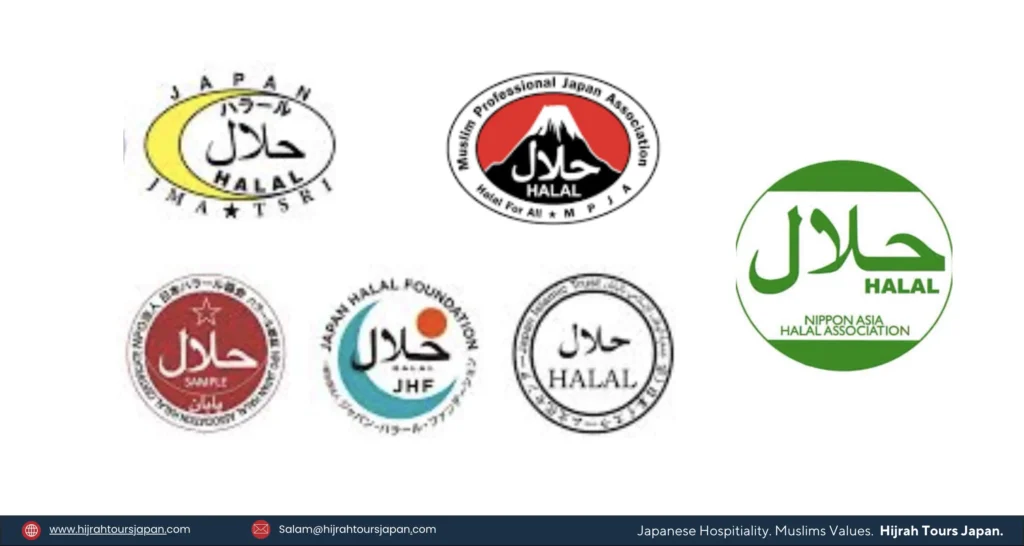
Understanding halal certification in Japan is crucial for eating with complete confidence. Let me break down what you need to know.
Japanese Halal Certification Bodies
NAHA (Nippon Asia Halal Association) is the most recognized halal certification body in Japan. When you see their logo on products or restaurant signs, you can trust it’s properly certified according to Islamic requirements.
MPJA (Muslim Professional Japan Association) is another certifier. They’re strict about their standards and regularly audit certified establishments.
JMA Halal (Japan Muslim Association) has been certifying products for years and is trustworthy.
JAKIM – Malaysian certification – is also accepted and seen in some imported products.
Look for these certification logos displayed prominently in restaurant windows or on product packaging. If you’re unsure, don’t hesitate to ask the staff to show you their halal certificate.
Muslim-Friendly vs Halal Certified
Here’s something important to understand: “Muslim-friendly” and “halal-certified” are not the same thing.
Halal-certified means the establishment has undergone formal inspection and certification by a recognized Islamic body. The ingredients, preparation methods, and storage meet Islamic requirements. This is what you want to look for, especially for meat dishes.
Muslim-friendly often means the establishment doesn’t serve pork or alcohol, and may use Muslim-friendly ingredients, but hasn’t undergone official certification. This might be acceptable for vegetarian dishes, but we usually avoid meat from Muslim-friendly (but not certified) places.
When in doubt, ask:
- “Is this halal certified?” (point to halal logo pictures on your phone)
- “Is there any alcohol in the ingredients or cooking?”
- “Is the meat Halal?” (they may not know this term, so show certification)
Reading Japanese Food Labels
Learning to read basic Japanese food labels has been incredibly helpful. Here are key words to recognize:
Avoid these:
- 豚肉 (butaniku) = pork
- 酒 (sake) = alcohol/rice wine
- みりん (mirin) = sweet cooking wine
- アルコール (arukōru) = alcohol
Safe indicators:
- ハラール or ハラル = Halal (in katakana)
- 鶏肉 (toriniku) = chicken (Only if HALAL certified)
- 牛肉 (gyuniku) = beef (Only if HALAL certified
- 魚 (sakana) = fish
- 野菜 (yasai) = vegetables
Many products now have English on labels, but having a translation app ready helps. Google Translate’s camera function is invaluable – point it at ingredient lists to get instant translation.
Useful Japanese Phrases for Halal Inquiries
Print or save these phrases on your phone:
“Kore wa halal desu ka?” (これはハラールですか?) = Is this halal?
“Butaniku ga haitte imasuka?” (豚肉が入っていますか?) = Does this contain pork?
“Arukōru ga haitte imasuka?” (アルコールが入っていますか?) = Does this contain alcohol?
“Muslim desu. Halal no tabemono wa arimasuka?” (イスラム教徒です。ハラールの食べ物はありますか?) = I’m Muslim. Do you have halal food?
Most Japanese people will try their best to help, even with limited English. Having these phrases ready shows respect for their language and makes communication much easier.
Transportation Options in Tokyo when considering Prayer time.
Tokyo’s transportation system is incredibly efficient, and mapping it while maintaining your Islamic practices is quite manageable, alhamdulillah.
JR Pass Benefits
The JR Pass is a must-buy if you’re visiting multiple cities in Japan. For Tokyo specifically, you’ll use it on JR Yamanote Line (the loop line connecting major stations), Chuo Line, and trains to airports.
What I love about the JR Pass from an Islamic perspective is the freedom it gives you. You can easily hop off to find mosques or halal restaurants without worrying about individual ticket costs. If prayer time arrives while you’re out, you can jump on a train to the nearest mosque without financial stress.
Buy it before arriving in Japan (it’s cheaper and easier). The 7-day pass costs around ¥50,000 but pays for itself quickly, especially if you’re doing day trips to Hakone, Nikko, or Mount Fuji areas.
Metro and Subway Systems
Tokyo Metro and Toei Subway are clean, punctual, and comprehensive. Download Google Maps it works perfectly for Tokyo transit and shows you exactly which train to take, which platform, and even which car to board for the easiest transfers.
Prayer considerations: Trains run frequently, so if you need to pray, you can always exit at a major station. Stations like Shinjuku, Tokyo, Ueno, and Shibuya have facilities or are near prayer locations. During rush hours (7-9 AM and 5-7 PM), trains are extremely crowded, which can be uncomfortable, especially for sisters. Try to avoid these times when possible.
For sisters in niqab or hijab: Tokyo public transportation is very respectful but some feedback from many sisters that they sometimes experiencing staring on trains. Japanese culture values not bothering others, so most people won’t talk or bother.
Modesty tip: Women-only cars are available during rush hours on most lines (usually the front or rear car, marked with pink signs). Sisters might find these more comfortable during crowded times.
Airport Transfers
From Narita Airport:
- Narita Express (N’EX) – Covered by JR Pass, comfortable, and direct to major Tokyo stations. Prayer rooms are available at Narita Airport (both terminals) if you need to pray before leaving.
- Keisei Skyliner – Faster but not covered by JR Pass
- Budget option: Airport Limousine Bus or local trains (slower but cheaper)
From Haneda Airport:
- Tokyo Monorail – Covered by JR Pass, quick connection to Hamamatsucho Station
- Keikyu Line – Direct to Shinagawa and other stations
- Haneda is closer to central Tokyo (30-40 minutes vs 60+ minutes from Narita)
First time in Japan? Don’t go it alone. Our small group departures provide a reliable safety net, covering all the “Golden Route” highlights with Halal food and scheduled prayer stops. Book your tour now!
Prayer Facilities at Airports
Both Narita and Haneda airports have excellent prayer facilities:
Narita Airport:
- Terminal 1: Prayer room on 4th floor (Central Building)
- Terminal 2: Prayer room on 4th floor
- Terminal 3: Prayer facilities available (ask staff)
- All have separate areas for men and women, wudu facilities, and prayer mats
Haneda Airport:
- International Terminal: Prayer room on the departure floor
- Well-maintained and clearly marked
I recommend arriving at the airport with extra time not just for check-in, but to comfortably make your prayers. There’s nothing worse than rushing through salah because you’re worried about missing a flight.
What Are the Best Times to Visit Tokyo for Muslims?
Spring (March – May): Cherry blossom season is Tokyo’s most famous time, and for good reason – subhanallah, it’s beautiful! The blossoms usually peak in late March to early April.
Pros: Comfortable weather (15-20°C), stunning natural beauty, outdoor activities are pleasant, parks are perfect for halal picnics. Cons: Most expensive time, very crowded, hotels book up months in advance, popular spots can feel overwhelming.
My advice: If you want to see cherry blossoms, book at least 3-4 months ahead and be prepared for crowds. The beauty is worth it, but it’s not necessarily the most relaxing time to visit.
Summer (June – August): Hot and humid, with rainy season in June-July.
Pros: Festivals and events, longer daylight hours (helpful for sightseeing between prayers), summer sales in shops. Cons: Very hot and humid (30-35°C with high humidity), crowded, expensive during August, challenging for fasting if it coincides with Ramadan, lots of rain in June-July.
My advice: If you handle heat well, July-August can be good, but bring light, modest clothing and stay hydrated. The humidity is real!
Autumn (September – November): This is my absolute favorite time to visit Tokyo!
Pros: Comfortable temperatures (15-25°C), beautiful fall foliage (especially November), clear skies, less crowded than spring, reasonable prices. Cons: Typhoon season (September-October, though not every year), can still be somewhat busy in November.
My advice: Late October through November is ideal – the weather is perfect for walking all day, the colors are stunning, and it’s much more manageable than spring. This is when I recommend most people visit.
Winter (December – February): Cold but usually dry and sunny.
Pros: Lowest prices, smallest crowds, winter illuminations are beautiful, skiing/snow trips possible, hotel deals abound, excellent shopping sales. Cons: Cold (0-10°C), some outdoor attractions less appealing, shorter daylight hours (sun sets around 4:30-5pm).
My advice: If you don’t mind cold weather, winter is fantastic for a budget-friendly trip. The crisp air, sunny days, and empty attractions are wonderful. Perfect for focused sightseeing and shopping.
Ramadan in Tokyo
We have observed Ramadan in Japan, and alhamdulillah, it’s manageable with the right preparation.
Community support: Tokyo Camii and other mosques organize iftar meals during Ramadan. These communal iftars are beautiful experiences; you’ll break fast with Muslims from all over the world. I highly recommend participating at least once.
Suhoor preparation: Stock up at halal supermarkets for easy suhoor meals in your accommodation. The convenience stores (kombini) are open 24 hours and have basic options if needed.
Fasting challenges:
- If Ramadan falls in summer, the long days (sunrise around 4:30 AM, sunset after 7 PM) are challenging but manageable
- Winter Ramadan is easier (shorter days)
- Stay hydrated during non-fasting hours
- Plan less intense activities during the day
- Focus on worship in evenings and early mornings
Prayer timing: Use apps to ensure you don’t miss prayers while sightseeing. Tokyo Camii usually has tarawih prayers if you want to attend.
Our experience: Fasting while traveling requires extra planning, but it’s doable and spiritually rewarding. The discipline of maintaining fasting while exploring a new culture deepens your connection with Allah.
How Much Does a Muslim-Friendly Tokyo Trip Cost?
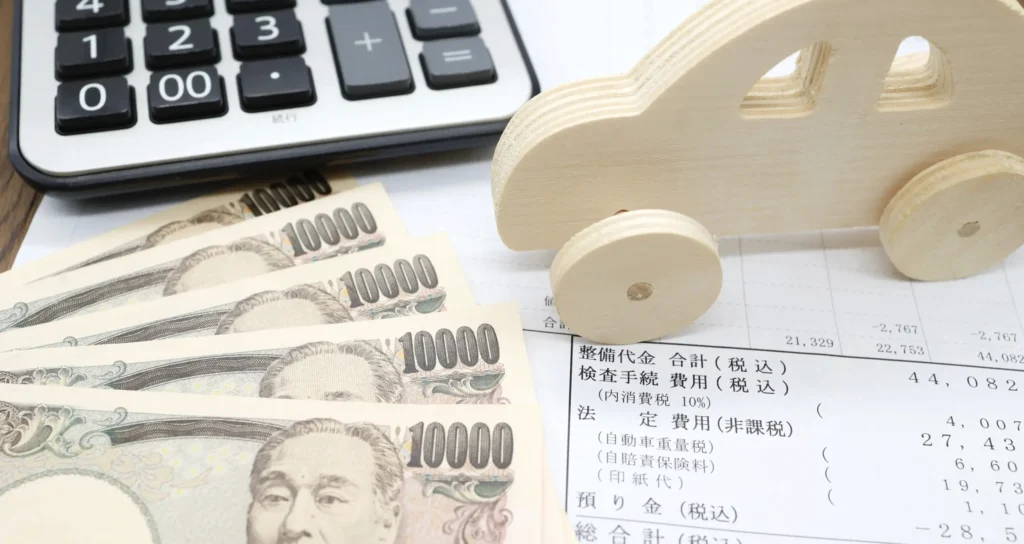
Let me break down realistic costs based on my experiences and what I’ve seen other Muslim travelers spend. All prices in USD for easy reference.
Budget Breakdown
Accommodation:
- Budget: $30-60/night (hostels, budget hotels, capsule hotels)
- Mid-range: $80-150/night (comfortable hotels, near mosques)
- Luxury: $200+/night (high-end hotels with Islamic amenities)
Food (per day):
- Budget: $20-30 (halal convenience store meals, cheap halal restaurants, cooking own meals)
- Mid-range: $40-70 (mix of halal restaurants, one nice meal per day)
- Premium: $100+ (fine dining halal wagyu, high-end restaurants)
Transportation:
- JR Pass (7 days): ~$270 (best value if doing day trips)
- Daily metro pass: $8
- IC card (prepaid): ~$25-40 per day depending on usage
- Airport transfer: $15-30
Attractions:
- Many temples/shrines: Free
- Museums: $5-15 each
- Tokyo Skytree: $20-30
- Day trip tours: $80-150 each
Shopping/Souvenirs: Varies widely, budget $100-500 depending on your interests
Realistic daily budget:
- Ultra-budget: $67/day (basic accommodation, kombini meals, limited attractions)
- Comfortable: $180/day (decent hotel, halal restaurants, attractions, transportation)
- Luxury: $300+/day (premium hotel, fine dining, shopping, extensive activities)
Sample 7-day trip budget (mid-range):
- Flights: $800-1,200 (varies by origin)
- Accommodation: $700 (7 nights at $100/night)
- Food: $350 (7 days at $50/day)
- JR Pass: $270
- Local transportation: $50
- Attractions: $100
- Shopping/souvenirs: $200
- Total: ~$2,470 – 2,870 per person
Money-Saving Tips
From my experience, here’s how to make your money go further:
Accommodation:
- Stay slightly outside central Tokyo or near mosques (like near Tokyo Camii) – cheaper and more convenient for prayers.
- Book 2-3 months in advance for best rates
- Consider Airbnb apartments to cook your own meals
- Business hotels on weekends are often cheaper
Food:
- Shop at halal supermarkets and prepare some meals yourself
- Lunch sets at halal restaurants are cheaper than dinner (same food, smaller price!)
- Convenience stores (7-Eleven, Family Mart, Lawson) have affordable vegetarian options
- Buy snacks and drinks at supermarkets, not convenience stores (supermarkets are cheaper)
- Bring an empty water bottle – water fountains are available in most places
Transportation:
- Get JR Pass if doing 2+ day trips – it pays for itself
- Use IC card (Suica/Pasmo) instead of buying individual tickets
- Walk when possible – Tokyo is very walkable, and you’ll discover hidden gems
- Rent bikes in some areas (very cheap)
Attractions:
- Focus on free attractions first (Parks, government building observatory, etc..)
- Many museums have free days – check schedules
- Buy combination tickets for multiple attractions
Shopping:
- Shop at Uniqlo, GU, Don Quijote for affordable items
- 100-yen shops (like Daiso) for souvenirs and daily needs
- Tax-free shopping available with passport (8-10% savings on purchases over ¥5,000)
General tips:
- Travel during off-peak season (January-February, June, September, November)
- Set a daily budget and track spending with an app like Splitwise etc..
- Bring US dollars or euros to exchange (better rates than exchanging at home usually)
- Some attractions offer student/group discounts
Free Attractions
You can have amazing experiences in Tokyo without spending much on attractions:
Free must-sees:
- Senso-ji Temple and Nakamise Street
- Meiji Shrine and Yoyogi Park
- Imperial Palace East Gardens
- Tokyo Metropolitan Government Building observatory
- Harajuku and Takeshita Street
- Tsukiji Outer Market (for window shopping)
- Shibuya Crossing experience
- Odaiba waterfront (walking around)
- Yanaka neighborhood (traditional Tokyo)
- Ueno Park
What Should Muslim Travelers Pack for Tokyo?
Packing right makes your trip so much easier. Here’s what I recommend based on experience:
Prayer Essentials
Must-bring:
- Portable prayer mat – Get the compact folding kind that fits in a daypack.
- Prayer timetable app – Download before departure.
- Quran app – For reading during travel and downtime.
- Tasbih – For dhikr during commutes and waiting times.
For sisters:
- Portable ablution socks if you wear them.
- Extra hijab pins (they tend to get lost!)
- Travel-size hijab (light, easy to fold)
For brothers:
- Kufi/topi for prayers
- Travel-size prayer garment if you prefer
Tip: Keep prayer essentials in a small pouch in your daypack so you’re always ready. I can’t tell you how many times having a prayer mat handy saved me stress when prayer time arrived unexpectedly.
Weather-Appropriate Items
Spring (March-May):
- Light jacket (mornings/evenings are cool)
- Umbrella (occasional rain)
- Layers (temperature varies throughout the day)
Summer (June-August):
- Light, breathable fabrics (humidity is intense!)
- Umbrella (rainy season in June-July)
- Hat/cap for sun protection
- Sunscreen (even while covered, exposed skin needs protection)
- Portable fan (Japanese people carry these)
Autumn (September-November):
- Medium jacket or sweater
- Layers (perfect weather but mornings/evenings cool)
- Light scarf (fashionable and practical)
Winter (December-February):
- Warm coat (it gets genuinely cold)
- Gloves, scarf, hat
- Thermal underlayers (especially for sisters wearing abayas)
- Warm socks
Year-round essentials:
- Umbrella: Tokyo can rain unexpectedly in any season
- Comfortable walking shoes: I cannot stress this enough – you’ll walk 15,000-20,000 steps daily
- Backpack or crossbody bag: For carrying water, snacks, a prayer mat, and purchases
- Refillable water bottle: Stay hydrated (free water fountains available many places)
Technology and Apps
Essential downloads before you go:
- Google Maps – Navigation (works offline if you download maps)
- Muslim Pro or Athan – Prayer times and qibla
- Google Translate – Essential! The camera translation feature is important
- Halal Navi – Finds halal restaurants
- Halal Gourmet Japan – For checking Halal ingredients
- Currency converter – To quickly calculate prices
Tech to bring:
- Portable charger/power bank – Essential! Your phone will be your lifeline
- Universal adapter – Japan uses type A/B plugs (110V)
- Pocket WiFi or SIM card – Get one at the airport or order online before trip
- Camera – For all the beautiful memories (optional if phone camera is good)
- Earbuds – For listening to Quran, podcasts during commutes
Helpful apps:
- TabiEats – Allergy/dietary information in Japanese to show restaurants
- TripAdvisor/Google Reviews – Find halal-friendly places
- Airbnb – If staying in apartments
- Japan Masjid Finder – Japan mosque directory
Pro tip: Download offline maps of Tokyo on Google Maps before your trip. Even with pocket WiFi, there might be moments in subways or buildings where signal is weak, and having offline maps is a lifesaver.
Documents to have digitally:
- Passport copy
- Hotel confirmations
- JR Pass exchange order
- Travel insurance details
- Emergency contact numbers (including nearest embassy)
Is Tokyo Ready for Muslim Travelers?
After sharing all this information with you, dear brothers and sisters, let me give you my honest conclusion:
Alhamdulillah, Tokyo is ready for Muslim travelers, and in many ways, it’s slowly becoming one of the best Muslim-friendly destinations in East Asia.
Many restaurant owners who’ve traveled to Muslim countries to learn proper halal preparation, to shopping malls that have built some prayer facilities, and hotel staff who try their best to accommodate our requests – there’s an effort to welcome us.
My final thoughts and advice:
- Come with an open heart: Japan’s culture is different from Muslim-majority countries, but different doesn’t mean unwelcoming. You’ll find beauty in the differences and surprising commonalities in values like respect, cleanliness, and hospitality.
- Plan ahead, but stay flexible: Research halal options and prayer facilities, but don’t stress about having everything perfectly planned. Tokyo is safe, and Muslims here are helpful.
- Connect with the community: Visit Tokyo Camii, attend Friday prayers, join an iftar during Ramadan. The Muslim community in Tokyo is warm and welcoming, and these connections can become the most memorable parts of the trip.
- Be a good ambassador: Remember, you’re representing Islam in a country where many people have limited exposure to Muslims. Your kindness, honesty, and good character do more dawah than any words could.
For families: Tokyo is good for Muslim families. It’s safe, child-friendly, and has plenty of activities suitable for all ages while maintaining halal and modest standards.
We hope that Allah facilitates your journey to Tokyo, protects you throughout your travels and allows you to return home safely with beautiful memories and experiences that bring you closer to Him.
Barakallahu feekum, and have a blessed journey!
Note: While every effort has been made to ensure accuracy, halal certifications and facilities can change. Always verify current information and halal status when you visit. When in doubt about food, it’s better to be cautious. May Allah make your travels easy and beneficial.
